Thursday, December 26, 2019

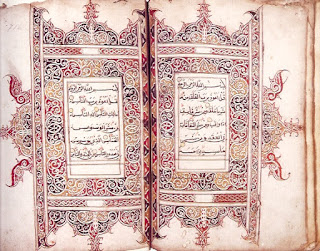
MASNOON DUAIN FROM QURAN AND HADITH

What are Masnoon Duain?

Let’s learn about the meanings, types and occasions of Masnoon Duain. If you make the recitation of a Masnoon dua your habit, every possible failure will be turned into success.When you worship Allah, it means you are praying to Him for blessings and forgiveness. So, praying lies at the core of all worship. A prayer is called “Salah” in Arabic and “Dua” in Urdu. In other words, when you are saying prayer, it means you are making Dua.A dua is actually a gift from our Lord. It offers a way to communicate with Allah Almighty. When someone is offering prayer (Fajr, Zuhr, Asr, Maghrib or Isha), it means they are silently talking to Allah.

What are Masnoon Duain?

A Masnoon Dua can be translated as a Sunnah Prayer. In other words, Masnoon Duaen are those prayers which the Rasool (SAW) recited on different occasions to invoke Allah’s assistance in various matters. He (SAW) made a Dua not only for himself but also advised the followers to do the same. Allah repeatedly stresses in the Holy Quran that success of an individual (in this world as well as the world hereafter) lies in following the footsteps of the Rasool (SAW).

Significance of Masnoon Duain:

It is stated in chapter 4, verse 80 of the Holy Quran, “He who obeys the Messenger has obeyed Allah. But if any turn away, we haven’t sent you over them as a guardian (to watch their evil deeds)”. It is obvious from this Quranic injunction that obedience of the Rasool (SAW) is actually the obedience of Allah. On the other hand, if you turn away from the Prophet’s commands, Allah will withdraw His mercy from you.On another occasion (i.e. chapter 3, verse 31), Allah says to the Prophet Muhammad (SAW), “(O Muhammad) say (to the people), if you should love Allah, then obey me, (so) Allah will love you and forgive your sins. And (indeed) Allah is Forgiving and Merciful”.Going through the translation of the above given Quranic verse, we can realize that we need to follow the Rasool (SAW) in order to deserve Allah’s love and forgiveness.

Types of Masnoon Duain:

According to the need of the occasion and depending on what kind of assistance you want from Allah Almighty, a specific Masnoon Dua is to be made. In other words, the Masnoon Duayen or Sunnah prayers are of several different types. From the huge collection of such prayers, you will get a special Sunnah Dua to invoke Allah’s help in any and every type of problem/issue and situation.For example, there are Sunnah prayers for, Shifa (health), Acha Rishta (a suitable marriage proposal), Qarz Se Nijat (to get rid of bad debt), marriage of girls and boys, happy married life, love between husband and wife, acceptance of marriage proposal, parents after death, offspring (having babies), fever, body pain, eye pain, Rizq Me Barkat (increase in provision of food), and so on

Bismi Allahi arrahmani arraheem
In the name of Allah, the most Gracious, the most Merciful

Dua Sunat-e-Asar
Transliteration: Bismillah hir Rahmaan nir Raheem. Yaa daimal fadli allal bariyati yaa basital yadaini bil'atiyati wa yaa sahibal mawahibis saniyati wa yaa dafial balai wal baliyati salli alla Muhammadin khairil warayis sajiyati wa'alla allihil bararatin naqiyati wagfirlana yaa zal'hudal oula fii hazal asri wal'ashiyati rabbana
Transliteration: tawaffana muslimina wa'alhiqna bis'salihina salli alla Muhammadiou wa'alla allihi wa'ashabihi ajmaina birahmatika yaa'arhamar raheemin Dua Shuker-e-Allah Bismillah hir Rahmaan nir Raheem. Allahumma inni asbahtu laka laa astatiou daf'aa
Transliteration: Maa akrahu wala amliku naf'aa maa arju mir rahmatika asbahtu murtahinam biamali wa'asbaha amri biyadi gairi fala faqira afqaru minni laa tushmit bi aduvi wala tasubi siddiqi wala taj'aal  musibati fii dini wa'dunyaya wala fil akhirati wala tajalidunyaa Akbarahmi wala mablagah ilmi wla tusalit aala maan la yarhamni
Fid'dunniya wal akhirati wala takaahl
 Allahumma inni aouzubika minaz zunobil lati tuzilu bihan niama waminaz zunobil'lati tujibu bihan niqama birahmatika yaa arhamarahimeen Dua-e-istiazah Bismillah hir Rahmaan nir Raheem.Allahumma inni aouzubika bismikal azami
Transliteration: Bikalimatikat tammati min sharris sammati walhammati wa'aouzubika  bismikal azami wakalimatikat tammati min sharri ibadika  wamin sharri azabika wa'aouzubika bismikal azami wakalimatikat tammati min sharri qulli shaitanim maridaou wa'min sharri qulli jabbarin anidaou wa'aouzubika bismikal azami wakalimatikat tammati min sharri qulli maa yajri bihil lailu wannaharu inna
Transliteration: Rabbiyallahul'lazi laa ilaha  illa huwa allaihi tawaqqaltu wahowa rabbul arshil azimi ilahi innaka sallata allaina adu'um basiray yarana biouyoubina huwa wa'qabiluhu min haisu laa narahum Allahumma faishu minna kama aistahu mir rahmatika waqannithu minna kama qannattahu min afvika wa'abid bainana wabainahu kama abatta bainahu wabaina jannatika innaka alla qulli
Transliteration: Shai'in qadeeraou wabil'ijabati jadeer wala houla wala quwata illa billahil alliyil azeem Dua-e-istikhara Bismillah hir Rahmaan nir Raheem. Allahumma inni astakhiruka bi'ilmika wastaqdiruka biqudratika wa'asalluka  min fadlikal azeemi fainnaka taqdiru wala aqdiru wa'talamu wala alamu
Transliteration: Wa'anta allamul quyoub Allahumma inni laa amliku linafsi zarraou wala nafaou wala maoutaou wala hayataou wala nushura allahumma in kunta taylamu anna hazal amra khairul li fii dini wama'ashi  wa'aqibati amri fa'aqdirhu li wayassirhu li summa barik li fihi wa'in kunta taylamu anna hazal amra sharrunli fii dini wama'ashi wa'aqibati
Transliteration: Amri fa'asrifhu anni wa'asrifni anhu wa'aqdirliyal khaira haisu kana summa ardini bihi birahmatika yaa'arhamur raheemin Dua-e-istihbab Bismillah hir Rahmaan nir Raheem. Allahummaj'all hubbaka ahabbal ashyai ilayya
Transliteration: Waj'al khufaka akhwafal ashyai indi allahumma izza aqrarta ouyouna ahlid dunniya bidunyahum fa'aqrir aynayya bika wabi'ibadatika waqta anni lazaizad dunniya biunsika wash'shouqi illa liqaiqa waj'all ta'attaqa fii qulli shai'im minni yaa zaljalali wal'ikram allahummar zuqni hubbaka wahubba man ahabbaka wahubba man 
Transliteration: Youhibbuka wahubba amalaiy youqarribuni illa hubbika waj'all hubbaka ahabbal ashyai ilaina minal mail baridi lilatshani yaa zal'jalali wal'ikram allahumma asqini biqasi Muhammadin sallallahu allaihi wa'sallama sharibatal laa azmaou badaha abadam birahmatika yaa'arhamar raheemin

Dua-e-shukrin-nahar
Transliteration: Bismillah hir Rahmaan nir Raheem. Alhamdulillahi alla husnis'sabahi wal'hamdulillahi alla husnil masai walhamdulillahi alla husnil mabiti allahumma lakal hamdu hamdan daimam ma'aa dawamika walakal hamdu hamdal laa muntaha lahu
Transliteration: Duna mashiyatika walakal hamdu hamdan inda qulli tarfati aynaou watanaffusi qulli nafsin  alhamdulillahi hamdan daiman addadal qatarati wan'nabatati wal hajari wash'shajari wal'aouraqi wal'hamdulillahi kafahu was'sallatu alla nabiyyihi Muhammadin sallallahu allaihi wa'sallama illahi birahmatika arju fala takilni
Transliteration: Illa nafsi wala illa gairika tarfata aynaou wala aqlla min zalika wa'aslih li shani qullahu bila illaha illa anta wahdaka laa sharika laka watub allaiya wagfirli warhamni anta khairul raheemin allahumma lakal hamdu wa'ilaikal mushtaka wa'antal musta'anu wala huwla wala quwata illa bika

الَّلهُمُّ لَكَ الحَمْدُ أَنْتَ نُورُ السَّمَاوَاتِ وَالأَرْضِ وَمَنْ فِيهِنَّ، وَلَكَ
الحَمْدُ أَنْتَ قَيِّمُ السَّمَاوَاتِ وَالأَرْضِ وَمَنْ فِيهِنَّ، وَلَكَ الحَمْدُ أَنْتَ رَبُّ
السَّمَاوَاتِ وَالأَرْضِ وَمَنْ فِيهِنَّ
Allahumma lakal-hamdu anta noorus-samawaati wal-ardi wa man fihinna, wa lakal-hamdu anta qayyimus-samawaati wal-ardi wa man fihinna, wa lakal-hamdu anta rabbus-samawaati wal-ardi wa man fihinna.
O Allah! For You is all Praise – You are the Light of the Heavens and the Earth and all that is in them; and for You is all Praise – You are the Guardian of the Heavens and the Earth and all that is in them; and for You is all Praise – you are the Lord of the Heavens and the Earth and all that is in them.
أَنْتَ الحَقُّ وَوَعْدُكَ الحَقُّ وَقَوْلُكَ الحَقُّ وَلِقَاؤُكَ حَقٌّ وَالجَنَّةُ حَقٌّ
وَالنَّارُ حَقٌّ والسَّاعَةُ حَقٌّ والنَّبِيّونَ حَقٌّ وَمُحَمَّدٌ حَقٌّ.
Antal-Haqqu wa wa’dukal-haqqu wa qawlukal-haqqu wa liqa’uka haqqun, wal-jannahtu haqqun wan-naru haqqun, was-sa’atu haqqun, wan-nabiyyoona haqqun wa Muhammadun haqq.
O Allah! You are the Truth, Your Promise is True, Your Speech is True, Your Meeting is True, Paradise is True, the Hellfire is True, the Hour is True, the Prophets are True and Muhammad is True.
اللهُمَّ لَكَ أَسْلَمْنَا وَبِكَ آمَنَّا وَعَلَيْكَ تَوَكَّلْنَا وَبِكَ خَاصَمْنَا وَإِلَيْكَ حاَكَمْنا
فَاغْفِرْ لَنَا مَا قَدَّمْنَا وَمَا أَخَّرْنَا وَمَا أَسْرَرْنَا وَما أَعْلَنَّا أَنْتَ المُقَدِّمُ
وَأَنْتَ المُؤَخِّرُ لا إِلهَ إِلا أَنْتَ.
Allahumma laka aslamnaa, wa bika aamannaa, wa alayka tawakkalnaa, wa bika khaasamnaa, wa ilayka haakamnaa, faghfir lanaa maa qaddamnaa wa maa akhkharnaa, wa maa asrarnaa wa maa a3lannaa, antal-muqaddimu wa antal-mu’akhkhiru laa ilaaha illaa ant.
O Allah! To You have we submitted our souls, in You have we believed, upon You have we relied, for You have we argued, to You have we taken our judgement, so forgive us all that we have done and what we have not done, what we have hidden and what we have disclosed. You are the Promoter, and You are the Delayer, there is no God but You.
اللهُمَّ صَلِّ عَلى مُحَمَّدٍ وَعَلَى آل مُحَمُّدٍ كَمَا صَلَّيْتَ عَلَى إِبْرَاهِيمَ
وَعَلى آل إِبْرَاهِيمَ إِنَكَ حَمِيدٌ مَجِيد، وَبَارِكْ عَلى مُحَمَّدٍ وَعَلَى آل
مُحَمُّدٍ كَمَا بَارَكْتَ عَلَى إِبْرَاهِيمَ وَعَلى آل إِبْرَاهِيمَ إِنَكَ حَمِيدٌ مَجِيد.
Allahumma salli ala Muhammadin wa ala Muhammad, kamaa sallayta ala Ibraheema wa alaa aali Ibrahim, Innaka hameedun Majeed. Wa barik ala Muhammadin wa ala aali Muhammad, kama barakta ala Ibrahima wa ala aali Ibrahim, Innaka hameedun majeed.
O Allah! Send prayers upon Muhammad and upon the followers Muhammad, just as you sent prayers upon Ibrahim and upon the followers of Ibrahim. Verily, you are Praiseworthy, Glorious. And O Allah! Send blessings upon Muhammad and upon the followers Muhammad, just as you sent blessings upon Ibrahim and upon the followers of Ibrahim. Verily, you are are Praiseworthy, Glorious.
اللهُمَّ أَعِزَّ الإِسْلامَ وَالمُسْلِمِينَ، اللهُمَّ أَعِزَّ الإِسْلامَ وَالمُسْلِمِينَ، وَأَذِلَّ
الشِّرْكَ وَالمُشْرِكِينَ وَدَمِّرْ أَعْدآءَ الدِّينِ وَاحْمِ حَوْزَةَ الإسْلامِ يَا رَبَّ
العَالَمِينَ.
Allahumma a’izzal-Islama wal-Muslimeen, Allahumma a’izzal-Islama wal-Muslimeen, wa adhillash-shirka wal-Mushrikeen, wa dammir a’daa’ad-deen, wahmi hawzatal-Islami ya rabbal-3alameen.
O Allah! Raise the standing of Islam and the Muslims. O Allah! Raise the standing and the Muslims, and degrade the standing of Kufr and the Kaafireen, and Shirk and the Mushrikeen. Destroy the enemies of the Deen, and protect the lands of Islam, O Lord of the Worlds.
اللهُمَّ انْصُرْ دِينَكَ وَكِتَابَكَ وَسُنَّةَ نَبِيِّكَ وَعِبادَكَ المُوَحِّدينَ.
Allahummansur deenaka wa kitabaka wa sunnahta nabiyyika wa ibaadakal-Muwahhideen.
O Allah! Grant Victory to Your religion, Your book, and the Sunnah of Your prophet, and Your monotheist slaves.
اللهُمَّ إِنَّا نَسْأَلُكَ بِأَنَّ لَكَ الحَمْدُ لا إِلهَ إِلا أَنْتَ، وَحْدَكَ لا شَرِيكَ لَكَ،
المَنَّانُ، يَا بَدِيعَ السَّمَاوَاتِ وَالأَرْضِ، يَا ذَا الجَلالِ وَالإِكْرِام،ِ يَا حَيُّ
يَا قَيُّومُ.
Allahumma inna nas’aluka bi anna lakal-hamd, laa ilaha illa ant, wahdaka la shareeka laka, al-mannan, ya badias-samawaati wal-ardi, ya dhal-jalali wal-ikraam, ya hayyu ya qayoom.
O Allah! We ask of You, by virtue of all praise being to You, there is no God worthy of worship but You alone, there is no partner for You, the Beneficient, Creator of the Heavens and the Earth, O Lord of Majesty and Bounty, O Alive Self-Subsisting One.
نَسَأَلُكَ بِأَنَّنا نَشْهَدُ أَنَّكَ أَنْتَ اللهُ لا إِلهَ إلا أَنْتَ، الأَحَدُ الصَّمَدُ الَّذي لَمْ
يَلِدْ وَلَمْ يُولَدْ وَلَمْ يَكُنْ لَهُ كُفُواً أَحَد، أَنْ تَنْصُرَ الإِسْلامَ وَأَهْلَهُ فِي
كُلِّ مَكَانٍ، اللهُمُّ اَنْصُرِ الإِسْلامَ وَأَهْلَهُ فِي كُلِّ مَكَانٍ، اللهُمَّ انْصُرِ
الإِسْلامَ وَأَهْلَهُ فِي كُلِّ مَكَانٍ.
Nas’aluka bi ananaa nash-hadu annaka antallah, la ilaha illa ant, al-ahadus-samadu-ladhdhi lam yalid wa lam yu-lad wa lam yakul-lahu kufuwan ahad. An tansural-Islama wa ahlahu fi kulli makaan. Allahumma-nsuril-Islama wa ahlahu fi kulli makaan. Allahumma-nsuril-Islama wa ahlahu fi kulli makaan.
We ask You – by virtue of bearing witness that You are Allah, there is no God worthy of worship but You, the One, the Self-Sufficient, Who begets not, nor was He begotten, and there is none who is comparable to Him. – [we ask You] to grant victory to Islam and the Muslims everywhere. O Allah! Grant victory to Islam and the Muslims everywhere. O Allah! Grant victory to Islam and the Muslims everywhere.
إِلَيْكَ نَشْكُو ضَعْفَ قُوَّتِنَا وَقِلَّةَ حِيلَتِنا وَهَوَانَنا عَلَى النَّاسِ، يَا أَرْحَمَ
الرَّاحِمِينَ، أَنْتَ رَبُّ المُسْتَضْعَفِينَ،
Ilayka nashku da’fa quwwatina, wa qillata heelatina, wa hawanana ‘alan-naas, ya arhamar-rahimeen. Anta rabbul-mustad’afeen
To You we complain of our weakness, our failure, our shame before the people. O Most Merciful! You are the Lord of the weak and oppressed.
وَأَنْتَ رَبُّنَا، إِلَى مَنْ تَكِلُنَا، إِلَى بَعِيدٍ يَتَجَهَّرُنَا، أَوْ إِلَى عَدُوٍّ مَلَّكْتَهُ
أَمْرَنَا، إِنْ لَمْ يَكُنْ بِكَ غَضَبٌ عَلَيْنَا فَلا نُبَالِي، غَيْرَ أَنَّ عَافِيَتَكَ هِيَ
أَوْسَعُ لَنَا.
Wa anta rabbuna, ila man takiluna, ila ba’eedin yatajahharuna, wa ila ‘aduwwin mallaktahu amrana, in lam yakun bika ghadabun ‘alaynaa fala nubaali, ghayra anna ‘afiyataka hiya awsa’u lana.
And You are our Lord, to whom will you entrust us? To a distant person who will treat us with enmity, or to an enemy You have made over us. If You are not angry at us, we would not care, for Your pardon is greater for us.
نَعُوذُ بِنُورِ وَجْهِكَ الَّذي أَشْرَقَتْ لَهُ الظُّلُمَاتُ، وَصَلُحَ عَلَيْهِ أَمْرُ
الدُّنْيَا وَالآخِرَةِ، أَنْ يَحِلَّ عَلَيْنَا غَضَبُكَ، وَأَنْ يَنْزِلَ بِنَا سَخَطُكَ، لَكَ
العُتْبَى حَتَّى تَرْضَى، وَلا حَوْلَ وَلا قُوَّةَ إِلا بِكَ،
Na’udhu bi noori wajhikal-ladhi ashraqat lahudh-dhulumat, wa saluha ‘alayhi amrud-dunya wal-akhirah, ay-yahilla alayna ghadabuk, wa ay-yanzila bina sakhatuk, lakal-’utbaa hatta tarda, wa la hawla wa la quwwata illa bik.
We seek refuge in the Light of Your Face for which darknesses shine, and with which the affairs of this life and the Hereafter become good, from Your anger or displeasure fall upon us. You have the right to admonish until You are pleased, and there is no power and no might except in You.
فَإِلَيْكَ نَشْكُو ضَعْفَنَا، فَإِلَيْكَ نَشْكُو ضَعْفَنَا.
Fa ilayka nashku da’fana, fa ilayka nashku da’fana
So to You we complain of our weakness, to You we complain of our weakness.
اللهُمَّ إِنَّنَا نَنْشُدُكَ عَهْدَكَ وَوَعْدَكَ، اللهُمَّ أَنْزِلْ نَصْرَكَ وَتَأيِيدَكَ، أَنْتَ
عَضِيدُهُمْ وَأَنْتَ نَصِيرُهُمْ، وَبِكَ يُقَاتِلُونَ.
Allahumma innana nanshudu ‘ahdaka wa wa’dak. Allahumma anzil nasraka wa ta’yidak, anta ‘adeeduhum, wa anta naseeruhum, wa bika yuqatiloon.
O Allah! We seek Your protection and Your promise. O Allah! Bring down Your help and support, You are their helper and supporter, and for You they will fight.
رَبَّنَا أَفْرِغْ عَلَيْهِمْ صَبْراً وَثَبِّتْ أَقْدَامَهُمْ وَانْصُرْهُمْ عَلَى القَوْمِ
الكَافِرِينَ.
Rabbana afrigh ‘alayhim sabran wa thabbit aqdamahum wansurhum ‘alal-qawmil-kafireen.
Our Lord! Pour upon them patience, make them steadfast, and grant them victory over the Disbelivers.
اللهُمَّ مَكِّرْ لَهُمْ، وَاكْفِهِمْ بِمَا شِئْتَ إِنْ تَنْصُرْهُمْ فَلا غَالِبَ لَهُمْ، وَإِنْ
تَخْذُلْهُمْ فَمَنْ ذَا الَّذي يَنْصُرهُمْ مِنْ بَعْدِكَ.
Allahumma makkir lahum, wakfihim bimaa shi’t. In tansurhum falaa ghaliba lahum, wa in takhdhulhum fa man dhal-ladh’ yansurhum min ba’dika.
O Allah! Plot for them, and suffice them with what You please, if You support them then nobody can overpower them, and if You forsake them, then who will be able to support them after You?
لا إِلاَ إِلا اللهُ العَظيمُ الحَليم، لا إِلهَ إِلا اللهُ رَبَّ العَرْشِ العَظِيمِ، لا
إلهَ إِلا اللهُ رَبُّ السَّمَاوَتِ وَرَبُّ الأَرْضِ وَرَبُّ العَرْشِ الكَرِيمِ.
La ilaha illAllahul adhimul-haleem. La ilaha illAllahu, rabbul-arshil-adheem. La ilaha illAllahu rabbus-samawaati wa rabbul-ardi wa rabbul-arshil-kareem.
There is no God but Allah, the Mighty the Forebearing, there is no God but Allah, Lord of the Mighty Throne, There is no God but Allah, Lord of the Heavens and Lord of the Earth and Lord of the Noble Throne.
اللهُمَّ إِنَّا نَجْعَلُكَ في نُحُورِهِِمْ، وَنَعُوذُ بِكَ مِنْ شُرُورِهِمْ،
Allahumma inna naj’aluka fi nuhoorihim, wa na’udhu bika min shuruurihim.
O Allah! We want Your help against them and seek Your protection against their atrocities.
رَبَّنَا، أَنْتَ عَضِيدُنَا، وَاَنْتَ نَصِيرُنَا، وَأَنْتَ حَسْبُنَا وَنِعْمَ الوَكِيلِ.
Rabbana anta adeeduna wa anta naseeruna, wa anta hasbuna wa ni’mal-wakeel.
O Allah! You are our Helper, and You are our Victor, and You are Sufficient for us, and the Best Guardian.
لا إِلهَ إِلا أَنْتَ سُبْحَانَكَ، إِنَّ كُنَّا مِنَ الظَالِمِينَ.
La ilaha illa anta subhanaka, inna kunna minadh-dhalimeen.
There is not God but You, Glory be to You, Truly we have been of the wrongdoers.
اللهُمَّ رِبَّنَا عَزَّ جَارُكَ، وَجَلَّ ثَنَاؤُكَ، وَتَقَدَّسَتْ أَسْماؤُكَ، اللهُمَّ لا يُرَدُّ
أَمْرُكَ وَلا يُهْزَمُ جُنْدُكَ سُبْحَانَكَ وَبِحَمْدِكَ.
Allahumma rabbana azza jaaruk, wa jalla thana’uk, wa taqaddasat asma’uk, Allahumma la yuraddu amruk, wa la yuhzamu junduk, subhanaka wa bi hamdik.
O Allah! Your allies are strong, Your praise is glorified, Your names are sanctified. O Allah! Your command cannot be repelled, and Your armies cannot be defeated.bestow on us a prayer in it before we die.
اللهُمَّ أَرِنَا الحَقَّ حَقّاً وَارْزُقْنَا التِبَاعَةَ وَأَرِنَا البَاطِلَ بَاطِلاً وَارْزُقْنَا
اجْتِنَابَهُ، بِرَحْمَتِكَ يَا أَرْحَمَ الرَّاحِمِينَ.
Allahumma arinal-haqqa haqqan warzuqnat-tiba’ah, wa arinal-batila batilan warzuqnaj-tinabah, bi rahmatika ya arhamar-rahimeen.
O Allah! Let us see the good as good, and bless us with following it. And show us the falsehood as falsehood, and bless us with staying away from it, with Your mercy, O Most Merciful!
وَالحَمْدُ للهِ رَبِّ العَالِمِينَ ، وَصَلِّى اللهُمَّ وَسلَّمَ وَبَارَكَ عَلى نَبِيِّنَا
مُحَمَّدٍ وَعَلى آلِهِ وَصَحْبِهِ والتَّابِعِينَ.
Walhamdulillahi rabbil-alameen, wa sallal-lahumma wa sallama wa baraka ala nabiyyina Muhammadin wa ala alihi wa sahbihi wat-tabi’een.
And all praises are to Allah Lord of the Worlds, and send Your prayers, peace and blessings on our Prophet Muhammad and on his family, companions and followers.
اللّـهُمَّ آميـــــــــــــــــــن اللّـهُمَّ آميـــــــــــــــــــن اللّـهُمَّ آميـــــــــــــــــــن
Allahumma Ameen. Allahumma Ameen. Allahumma Ameen.
O Allah! Please accept. O Allah! Please accept. O Allah! Please accept.

Thursday, November 28, 2019

Verses of Healing

1: Read ( Ya Salaamu 125,000 times ) to cure incurable diseases like Cancer or any other sickness

2: Reading surah Yasin of water is said to cure 1000 sicknesses. Drinking the water in which this Surah has been dissolved cures one of a thousand types of illnesses, also reading Surah Yasin over of the water cures one of a thousand types of illnesses.

3: Reading Surah Fatiha 41 times, for 40 days (time between the Sunnah and Fard of Fajr, meaning ones read Sunnah of Fajr then read this 41 times) it is necessary to omit the breath pause in 1st 2 lines by join the mem to al-alhamdulillahi meaning one reads like this; when you read Bismillah ir-Rahman ir-Rahim at the point of rahim join with to al-alhamdulillahi rabbil in one breath, so you read:

Bismillah ir-Rahman ir-Rahimil–alhamdulillahi rabbil… the rest then is the say same to the end. this can be read 41 times and then blown into water to read each of the days add to same bottle of water.

This is called Shifa-Healing water or Barakah-blessing water, when one or many people read Surah Yasin over water.

4: These Wird/Duas below is best for every kind of incurable diseases, 1st recite 11 time any (durood shareef) then theses Verses 21 times finally finish as you started with 11 time (durood shareef) and below on water & use to drink regularly.
5: There are a few method, of writing them and drinking the water one is; By means of some coloured liquid ,e.g. saffron water, these ayats are written in a bowl and the writing is melted by rain water the ayats for shifa can be written on a piece of paper by a person with ablution and the piece of paper be put in some water in a container.

evil eye protection


The evil eye is the name for a sickness transmitted, usually without intention, by someone who is envious, jealous, or covetous. It is also called the invidious eye and the envious eye. The evil eye belief is that a person, otherwise not malific in any way, can harm you, your children, your livestock, or your fruit trees, by looking at them* with envy and praising them. The word "evil" is unfortunate in this context because it implies that someone has "cursed" the victim, but such is not the case.


The effect of an evil eye is a fact. This is supported by many proofs from revealed texts and reasoning. Imam al-Bukhari reported on the authority of Abu Hurayrah that the Prophet (pbuh) said, “The effect of an evil eye is a fact.”


However, the evil eye can never harm unless Allah wills so. Hence, it shouldn’t be a cause of fear or terror to anyone, for supreme power and might are for Almighty Allah alone and He is the Only One we should fear. It is in Him that we should seek protection against Satan and the evil eye. Both al-Bukhari and Muslim reported in their authentic Collections that `Aa’ishah (may Allah be pleased with her) said: “The Messenger of Allah (peace and blessings be upon him) used to tell me to recite ruqyah for protection against the evil eye.


Sunday, November 17, 2019

Aayatul Kursi / Ayatal Kursi Translation in Urdu

Bismi Allahi arrahmani arraheem
In the name of Allah, the most Gracious, the most Merciful


Ayatal Kursi in English

Allahu laaa ilaaha illaa huwal haiyul qai-yoom; laa taakhuzuhoo sinatunw wa laa nawm; lahoo maa fissamaawaati wa maa fil ard; man zallazee yashfa'u indahooo illaa be iznih; ya'lamu maa baina aideehim wa maa khalfahum; wa laa yuheetoona beshai 'immin 'ilmihee illa be maa shaaaa; wasi'a kursiyyuhus samaa waati wal arda wa la ya'ooduho hifzuhumaa; wa huwal aliyyul 'azeem


Ayatal Kursi English Translation

"Allah! There is no god but He - the Living, The Self-subsisting, Eternal. No slumber can seize Him Nor Sleep. His are all things In the heavens and on earth. Who is there can intercede In His presence except As he permitteth? He knoweth What (appeareth to His creatures As) Before or After or Behind them. Nor shall they compass Aught of his knowledge Except as He willeth. His throne doth extend Over the heavens And on earth, and He feeleth No fatigue in guarding And preserving them, For He is the Most High. The Supreme (in glory)."
Benefits of Reciting Ayatul Kursi

1) Hazrat Ali bin Kaab (Radiahallahu Anhu) remarks that Nabi (Sallallahu alayhi wasallam) asked him," Which is the most high ranking Aayat in the Quran Kareem?" He said, " Allaah and His Rasul know best". Rasulallah repeated this statement very often. Hazrat Ali (Radiahallahu Anhu) stated, "Ayatul Kursi". Nabi (Sallallahu alayhi wasallam) said:"Oh Abul Munzar (family name of Abi bin Kaab). May you be blessed by this knowledge. I swear by that Being in whose Hands and Control is my life, that this Ayat has one tongue and two lips. It is by the threshold of Allaah's Arsh, Mentioning His purity".

2) Hazrat Ali (Radiahallahu Anhu) states that there was a room of dates, which he used to guard. He suspected that some dates were going missing. Thus one night he stood vigil and saw an animal like a young person. Hazrat Ali (Radiahallahu Anhu) said: "I greeted and received a reply". I asked," Who are you? Man or Jinn?" It said, "Jinn. I said, Give me your hand". He outstretched his hand. I noticed that the hand was like that of a dog. Its hair like the hair of the dog. I asked, "Are Jinns created like this?" It said, " the Jinns know there are amongst them more stronger ones". I enquired," Why did you steal?". He replied," I have come to know that you love to give charity so I decided to take a part also." Hazrat Ali (Radiahallahu Anhu) said: " Who will save us from your evil? It said, Aayatul Kursi which is in Surah Baqarah. He who reads it at night will be saved from our evil till the morning and he who reads it in the morning will be saved from our evil till the night."

In the morning Hazrat Ali (Radiahallahu Anhu) came to Nabi (Sallallahu alayhi wasallam) and narrated the entire event to him. Nabi (Sallallahu alayhi wasallam) said,"That rascal has stated the truth although he is a great liar."

3) It is reported from Hazrat Askee Baqri that Nabi (Sallallahu alayhi wasallam) came to the abode of the Muhajreen when one person asked, "In the Quran Kareem which is the most lofty Ayaat?" Nabi (Sallallahu alayhi wasallam) repeated "Ayatul Kursi".

4) Hazrat Hassan reports "Marfoonaan"," I have been given Ayatul Kursi. Nabi (Sallallahu alayhi wasallam) said," Surah Fateha, Ayatul Kursi and the two Ayats of Al-Imraan (Shaheedal Allaah - 18th Ayat), and "Qul Allaahumma Malekal mulk til Bi Ghairi Hisaab (Ayat 26/7) are attached to the Arsh and say, "Oh our Rabb, You are sending us onto earth to disobedient ones!!! Allaah says ," I have given you such status, whosoever from amongst my servants recites you after every Salaat, his resting place will be Jannat. And I will make his abode in Jannatul Quddoos and fulfill 70 needs of his daily needs, the least of which is forgiving him and saving him from all enemies of evils.

It is a quarter of the Quran Kareem:

5) Hazrat Anas (Radiahallahu Anhu)narrates that Rasulallaah (Sallallahu alayhi wasallam) asked one of his companions: " Oh, so and so are you married?" He replied: "No, I do not have enough wealth that I may marry.", Nabi (Sallallahu alayhi wasallam) said: "Do you know Surah Qul Huwallaahu Ahad?" The Sahaba replied: "I know". Nabi (Sallallahu alayhi wasallam) said: "It is equal to a quarter of the Quran. Nabi (Sallallahu alayhi wasallam) asked: "Do you not know Qul Yaa Ayyuhal Kaafiroon?" The Sababi replied "I know". Nabi (Sallallahu alayhi wasallam) said " "It is equal to a quarter of the Quran." Nabi (Sallallahu alayhi wasallam) asked, "Do you not know Surah "Iza Zul Zilzilaat " ?" The Sahaabi replied, "I Know". Nabi (Sallallahu alayhi wasallam) said: "It is a quarter of the Quran". Nabi (Sallallahu alayhi wasallam) asked: "Do you not know Surah Iza Jaa a Nasrullaahi Wal Fath" The Sahabi replied "I Know" Nabi (Sallallahu alayhi wasallam) said, it is a quarter of the Quran. Nabi (Sallallahu alayhi wasallam) asked: "Do you know the Ayatul Kursi?" The Sahabi replied "I know". Nabi (Sallallahu alayhi wasallam) said, "It is equal to a quarter of the Quran. Marry, Marry, Marry."

Consistency and Ayatul Kursi:

6) Hazrat Anas (Radiahallahu Anhu) said that Nabi (Sallallahu alayhi wasallam) said, "The one who recites Ayatul Kursi after every fard Salaat will be protected until the next Salaat and this is constantly done by a Nabi or a Siddiq or a martyr.

7) Hazrat Hassan bin Ali (Radiahallahu Anhu) says, "A person once asked: "Oh Rasulallaah (Sallallahu alayhi wasallam) what does that person receive who recites Ayatul Kursi after every Fard Salaat ? Nabi (Sallallahu alayhi wasallam) said: " That person remains under the protection of Allaah until the next Salaat."
8) Hazrat Anas (Radiahallahu Anhu) says: Rasulallaah (Sallallahu alayhi wasallam) asked; "Do you know which Ayat in the Quran is most lofty? " I said, Allaah and his Rasul know more." Nabi (Sallallahu alayhi wasallam) read Ayatul Kursi

9) Hazrat Efai bin Abdullah Kallee said that one person asked."Oh Rasulallaah (Sallallahu alayhi wasallam), which Ayat in the Quran is the most lofty one?" Nabi (Sallallahu alayhi wasallam) said: " Ayatul Kursi". The person asked,"Which Ayat has those benefits which you desire for your Ummah, in the Quran?" Nabi (Sallallahu alayhi wasallam) said: "The last Ayat of Surah Baqarah, for it is from the treasures of Allaah from underneath the threshold of the Arsh. It encompasses all the good of this world and the Aakhiraat".

10) Hazrat Muhammad bin al Saumi bin Al Salsal bin Damasc narrates from his father, who in turn, narrates from his father that Rasulallaah (Sallallahu alayhi wasallam) said: " Whoever recites Ayatul Kursi after every fard Salaat, there is only death between him and Jannat", he will enter into Jannat immediately when he dies.

11) Hazrat Ibne Anas (Radiahallahu Anhu) says that Rasulallaah (Sallallahu alayhi wasallam) said: "The one who recites Ayatul Kursi after every Fard Salaat, Allaah Ta'aala will grant him a gratifying heart, actions of the truthful and reward like the Ambiyaa .Special mercies will descend upon him, and death is the only barrier from his entrance into Jannat. On dying he will enter Janaat".

Blessing in the food
12) Hazrat Ayesha (R.A.) narrates that one person came to Nabi (Sallallahu alayhi wasallam) and said that there was absolutely no "Barakat" (blessings) in the things at home. Nabi (Sallallahu alayhi wasallam) replied, "Why are you neglectful of Ayatul Kursi."
Whenever Aayatul Kursi is recited upon food, Allaah Ta'aala will increase the Barakat in that food or curry.
13) Hazrat Ibn Masood (Radiahallahu Anhu) says that Allaah the Lofty did not create any thing in the skies or on earth, in Jannat or Jahannam, loftier than Ayatul Kursi.

14) Hazrat Ibn Masood (Radiahallahu Anhu) says that no space in the sky, or on the earth is loftier than Ayatul Kursi.


To make Satan flee for protection of wealth, property and home
15) Hazrat Masood (R.A.) states that a person left his home and met a Jinn on the way. The jinn asked him, "Can you drop me down?, If you do so then I will teach you such an Ayat that if you recite it upon entering your home, Satan will not enter." They wrestled and the person dropped the Jinn down. The jinn said:"Read Ayatul Kursi, because that person who recites it upon entering the home, Shaitaan flees like a donkey making a sound from its posterior runs away.

A person mentioned to Hazrat Ibn Masood that the person (who dropped the Jinn) could only be Hazrat Umar (Radiahallahu Anhu).

Hazrat Abu Hurairah (Radiahallahu Anhu) narrates this (above) Hadith from Rasulallaah (Sallallahu alayhi wasallam), with the addition that there is an Ayat in Surah Baqara, which is the chief ayat of the Quran. Whosoever recites it in a house wherein Shaitaan is, he (Shaitaan) will leave.

16) Hazrat Ibne Masood (Radiahallahu Anhu) says that a person requested Rasulallaah (Sallallahu alayhi wasallam) to teach him something that will benefit him. "Nabi (Sallallahu alayhi wasallam) said,"Read Ayatul Kursi, it will protect you, your children, home and even those houses surrounding your house."

17) Hazrat Ibn Umar (Radiahallahu Anhu) narrates that once Hazrat Umar (Radiahallahu Anhu) came to the people and said, "Who amongst you can tell me which is the most lofty Ayat in the Quran, which Ayat directs one most towards justice and fairness, which Ayat creates the most fear and which Ayat creates hope for mercy?" All remained silent. "Hazrat Ibn Masood (Radiahallahu Anhu) said,"I heard Rasulallaah (Sallallahu alayhi wasallam) say from the Mimbar (pulpit) that Aayatul Kursi is the Loftiest in the Quran, and the Ayat which encourages justice and fairness is ( Arabic P12) and the Ayat that creates the most fear is ( Arabic P12) of the Ayat that creates the most hope of mercy is ( Arabic P12).

18) Hazrat Ibn Abbas (Radiahallahu Anhu) said that when Rasulallaah (Sallallahu alayhi wasallam) recited the last Ayat of Surah Baqarah and Ayatul Kursi then he laughed and said," These have come from the treasures of Allaah." and when he read (May Ya'mal Soo), then he said (Inna li llaah...) and chose humility and meekness.

19) It is reported that when ever Hazrat Abdur Rahman Bin Auf (R.A.) entered his home, he used to recite Ayatul Kursi in its corners.

20) Hazrat Hassan (Radiahallahu Anhu) narrates from Rasulallaah (Sallallahu alayhi wasallam) who said , " Jibraeel came to me and informed me that a rebellious Jinn is plotting against you, so when you retire to your bed, then recite Ayatul Kursi. "

21) Hazrat Ali (Radiahallahu Anhu) says that the chief of the Ayats of the Quran Kareem is Ayatul Kursi.

22) Hazrat Ali (Radiahallahu Anhu) says "I have heard Rasulallaah (Sallallahu alayhi wasallam) say that person who recites Ayatul Kursi after every Salaat, only death prevents him from Jannat and who recites it whilst retiring to his sleeping place, Allaah will protect his house, his neighbours and even his surroundings.

23) Hazrat Ali (Radiahallahu Anhu) says that I cannot comprehend that a person who is a born Muslim, or intelligent or one who accepted Islaam in a rational (Arabic) state spending the night without reciting Ayatul Kursi. If you know how lofty this is (you will never discard it), it has been given to your Nabi (Sallallahu alayhi wasallam) from under the treasures of the arsh. It has not been given to any Nabi (Sallallahu alayhi wasallam) before your Nabi (Sallallahu alayhi wasallam) and I have never spent a night without reciting this Ayat thrice. I recite it in the last 2 Rakaats of Witr after Esha and also when I retire to my sleeping place

24) Hazrat Auf bin Maalik (Radiahallahu Anhu) says that Hazrat Abu Zar (Radiahallahu Anhu) who was sitting near Rasulallaah (Sallallahu alayhi wasallam) asked: "Oh Rasulallaah (Sallallahu alayhi wasallam) which is the most lofty Ayat Allaah revealed to you?" Allaah's Rasul recited Ayatul Kursi.

Hazrat Ma'aaz bin Jabal (Radiahallahu Anhu) says that he stored the dates for charity of Nabi (Sallallahu alayhi wasallam) in a room for safe keeping. I sensed that there was a shortage daily therein. I complained to Rasulallaah (Sallallahu alayhi wasallam) about this. He said that this was the work of Satan and I must stay alert for him. Thus I sat in the barn that night. When some part of the night passed, Shaitaan came in the shape of an elephant. When he came near the door, he changed his shape and entered through one of the holes of the door, moved towards the dates and began eating. I dragged my cloth near him and said: "I testify that there is no one worthy of worship but Allaah and that Muhammad is his Servant and Rasul. Oh Allaah's enemy you are usurping the dates of charity whereas the poor are more deserving of this than you. I will definitely apprehend you and take you to Rasulallaah (Sallallahu alayhi wasallam) who will humiliate you." At this Shaitaan pledged that he will not do this act again.

In the morning I came to Rasulallaah (Sallallahu alayhi wasallam) who asked me about my prisoner. I stated that he had vowed not to steal again. Nabi (Sallallahu alayhi wasallam) said that he (Satan) will come again so be alert. The next night also I sat alert. The same thing occurred and once again he (Satan) pledged not to steal. I left him. In the morning, I narrated the whole event to Nabi (Sallallahu alayhi wasallam) who said that he (Satan) will come again. On the third night the same thing happened once again. I apprehended him and this time I said,"Oh Allaah's enemy, you have pledged twice and this is the third time (now I will not leave you). He (Satan) said," I have children and have come from Nasabeen ( a place between Masool and Syria). 

If I receive anything less in status than this (dates), then I would not have come here. We left this city of yours when your Nabi (Sallallahu alayhi wasallam) was sent together with two Ayats which removed us from here to Nasabeen. Shaitaan does not enter any home when these two Ayats have been recited in it". He said this thrice. "If you leave me, I will show you these two Ayats". I agreed. He said," Ayatul Kursi and the last Ayat of Surah Baqarah (Amanas Rasul....)."Thus I let him go. In the morning I came to Rasulallaah (Sallallahu alayhi wasallam) and told him what had transpired. Nabi (Sallallahu alayhi wasallam) said, "That rascal has spoken the truth even though he is a liar."

Hazrat Ma'aaz (Radiahallahu Anhu) says after that he used to recite this and blow on the dates and there were no shortages in the room.

26) Hazrat Abu Asaad Saeedee (Radiahallahu Anhu) narrates that he plucked the fruits from his orchard and kept them in a room. Jinnaat used used to come to this room and steal the fruit. This put them in difficulty and they complained to Nabi (Sallallahu alayhi wasallam) about it. He said,"This is (the work of) a Jinn. Oh Abu Asaad, listen attentively, when he (the Jinn) has entered, then say. "I take the name of Allaah" and say "accept Rasulallaah (Sallallahu alayhi wasallam) sayings". The Jinn said, "Oh Abu Asaad, do not take me to Rasulallaah (Sallallahu alayhi wasallam). 

I vow by Allaah that I will not set foot in your home, nor steal your fruit. Also I will show you such an Ayat that if you recite it on your house then you will think I have died. If you read it on your utensils then no one will be able open its lid." I promised to leave him. He became happy and said. " The Ayat, is Ayatul Kursi. This Sahabi came to Nabi (Sallallahu alayhi wasallam) and related the entire event to him, upon which Nabi (Sallallahu alayhi wasallam) said: " He (Jinn) spoke the truth although he is (normally)a liar."

27) Hazrat Abu Amama Sadi bin Ijlaan (Radiahallahu Anhu) says that Nabi (Sallallahu alayhi wasallam) said," Whosoever recites Ayatul Kursi after every fard Salaat, the only thing preventing his entry into Janaat is death.

Ism Azam is in Ayatul Kursi
28) Hazrat Abu Amama (Radiahallahu Anhu) says that Rasulallaah (Sallallahu alayhi wasallam) stated, that the Isme Azam (blessed Name of Allaah Jalle Jalaalahu) , through which the invoker's desire is definitely fulfilled appears in 3 Surahs of the Quran. Surah Baqarah, Al-Imraan and Ta Haa. Hazrat Abu Amama (Radiahallahu Anhu) says that he searched for it and found it in Ayatul Kursi of Surah Baqarah, and "La illaha illah Huwal haya ....." in Al-Imraan and "Wa Anatil wujuhu....." in Surah Ta Haa.

29) Hazrat Ibn Abbas (Radiahallahu Anhu) says that Rasulallaah (Sallallahu alayhi wasallam) was staying in a room at Hazrat Abu Ayoob (Radiahallahu Anhu). Food provisions were kept in a small basket. A cat used to enter from the air vent and take the food away. Hazrat Abu Ayoob (Radiahallahu Anhu) complained to Nabi (Sallallahu alayhi wasallam) who said that it was a Jinn. Thus when he comes, tell him that Nabi (Sallallahu alayhi wasallam) said that he should not come back. The Jinn said, "Oh, Abu Ayoob leave me this time, by Allaah I will definitely never return. Thus Abu Ayoob left him and came to Nabi (Sallallahu alayhi wasallam) and narrated the event. This event occurred twice. On the third occasion the Jinn said, "Shall I reveal to you such words, which when recited at night will prevent Shaitaan from coming near your house that night and day and the next day. Abu Ayoob said, "Sure". The Jinn said,"Recite Ayatul Kursi". This Sahabi came and related this event to Nabi (Sallallahu alayhi wasallam), who said that he (the Jinn), has spoken the truth although he is (normally) a liar.

30) Hazrat Abu Ayoob (Radiahallahu Anhu) narrates that he was in the front room of his home. Jinnaat used to take goods from there. He complained about this to Nabi (Sallallahu alayhi wasallam) who said:"When you see him then take the name of Allaah and tell him to accept the call of Rasulallaah (Sallallahu alayhi wasallam). When the Jinn came, Abu Ayoob (Radiahallahu Anhu) told him this, and the Jinn pledged not to come again. Abu Ayoob left him. Abu Ayoob came to Nabi (Sallallahu alayhi wasallam) who asked him how was his thief. Abu Ayoob replied, "I caught him but left him after he pledged that he will not return". Nabi (Sallallahu alayhi wasallam) stated that he (the Jinn) will definitely return. Abu Ayoob apprehended the Jinn twice or thrice and each time he released him on the pledge of not returning. Abu Ayoob came to Nabi (Sallallahu alayhi wasallam) who asked him about his prisoner. Abu Ayoob replied," I caught him but released him on the pledge that he will not return. Nabi (Sallallahu alayhi wasallam) stated that he(the Jinn) will surely return. Abu Ayoob thereafter apprehended the Jinn who said ,"If you leave me, I will show such a thing, that when read, the Shaitaan will not come near you. That is Ayatul Kursi". Abu Ayoob narrated this entire event to Nabi (Sallallahu alayhi wasallam) who said,"The Jinn has spoken the truth although he is (normally) a great liar.

In the tradition of Tabrani it is stated "My dates were kept in a room.". Nabi (Sallallahu alayhi wasallam) said,"Tomorrow you will find a cat therein then it will become a wolf." At the end of the tradition it is stated, "Satan said that whenever he hears it ( Ayatul Kursi) he will runaway. Via another chain of narrations it is stated in Tabrani. "I should have difficulty in my back," and at the end of the tradition it is recorded "no Jinn or thief will come near".

31. Hazrat Abu Zar (Radiahallahu Anhu) says that he asked Rasulallaah (Sallallahu alayhi wasallam) which was the most (Arabic) (lofty, respectable) Ayat revealed to you? Nabi (Sallallahu alayhi wasallam) replied, "Ayatul Kursi".
Aid at the time difficulty and Angels Stipulated it for Protection

32) Hazrat Abu Qatada (Radiahallahu Anhu) narrates that Nabi (Sallallahu alayhi wasallam) said."Whoever reads Ayatul Kursi and the last Ayat of Surah Baqarah when in difficulty, then Allaah listens to that plea."

Hazrat Qatadah (Radiahallahu Anhu) says,"Whoever recites Ayatul Kursi on his sleeping bed, Allaah Ta'aala nominates 2 angels to protect him until morning.

A grateful heart, a remembering tongue, the reward of a martyr and the reward of a Siddique

33) Hazrat Abu Musa Al Ashari (Radiahallahu Anhu) narrates that Nabi (Sallallahu alayhi wasallam) said that Allaah Ta'aala sent "Wahy"-(divine revelation) to Hazrat Musa bin Imraan (Radiahallahu Anhu) to read Ayatul Kursi after every Fard Salaat and that whosoever recites Ayatul Kursi every Fard Salaat, will be granted the heart of the grateful, the tongue of those who remember, the rewards like the Ambiyaa and his actions will become like those of the Siddiques and on this practise the Nabi or Siddique is regular whose heart I have tested for Imaan and who has been chosen to be martyred in My Way.

34)Hazrat Abu Amama (Radiahallahu Anhu) says he asked Rasulallaah (Sallallahu alayhi wasallam),"Which is the most respectable, lofty Ayat, which has descended upon you". He said, "Ayatul Kursi".

Easy child-birth
35) Hazrat Fatima Zahra (Radiahallahu Anha) narrates,"When the time approached for her delivery, then Nabi (Sallallahu alayhi wasallam) ordered Hazrat Umme Salama (Radiahallahu Anha) and Hazrat Zainab (Radiahallahu Anha) to go to Fatima and recite Ayatul Kursi and "Inna Rabba Kumullaah" (the whole Ayat) and the last two Quls and blow on her.

Best Means of Protection

36) Hazrat Ali (Radiahallahu Anhu) narrates,"I cannot understand how a person, who is a Muslim, and owner of reason (intellect) can spend the night without reading Ayatul Kursi. If you knew the benefits of it, then you will never discard it under any condition". Rasulallaah (Sallallahu alayhi wasallam) stated ,"I have been given Aayatul Kursi from the treasures under the Arsh of Allaah and it was not given to anyone before me".

Hazrat Ali (Radiahallahu Anhu) says, "From the time I have heard this, I have never passed a night without reading it".


Some important benefits of the respected Ayat. The respected Ayat comprises of many important benefits. Some are mentioned hereunder:

1. This is the most lofty Ayaat of the Quran Kareem.
2. That is the chief Ayaat of the Quran Kareem.
3. The reader of it is protected from the evil effects of the Jinnat from morning until evening and from evening until morning.
4. It is from the threshold of the arsh.
5. It is equal to a quarter of the Quran Kareem.
6. Whoever recites it after the fard Salaat will be protected until the next Salaat and reciting it constantly was done by the Nabi, Siddique or Martyr and only death is the barrier between the reader and Jannat.
7. Blowing it upon food and drink brings blessings and abundance.
8. It is greater than the skies, earth, Jannat and Jahannam.
9. Whosoever reads it upon entering the home, Satan runs away from there.
10. The reciter, his children, home, wealth, property and the homes of his neighbours are safe.
11. Whosoever reads it together with the last Ayats of Surah Baqarah, Shaitaan does not enter his home for three days.
12. The Jinnaat cannot open any utensil upon which it is read.
13. In it is the Ism Azam.
14. The thief does not come near it's reciter.
15. When recited with the last Ayat of Surah Baqarah then the plea of the reciter will not go unattended.
16. When reciting it whilst retiring to one's sleeping place, one is protected until the morning. Two angels are deputed to protect him.
17. Whosoever recites it after every fard Salaat, will be rewarded with a grateful heart, a remembering tongue, the reward of being martyred in the path of Allaah, and will also be rewarded like the Siddiques.
18. Who reads it and "Inna Rabba bi kum Allaah.." and the last two Quls for a women on delivery, then the delivery becomes easy.
19. When one reads it and blows on his possessions and goods, then Shaitaan will not come near.
20. Whosoever reads Ayatul Kursi and the beginning of Surah Ghafir in the morning then he will be protected and be safe from the morning until the evening and vice versa. Subahaanallaah!

Ramazan | Dua for Ramazan | Ramazan Wazaif | Ramazan Ki Dua

The word Ramazan (Ramadan) comes from the Arabic, which means scorching heat or dryness. Fasting is farz (obligatory) for adult Muslims, except those who are suffering from an illness, travelling, are elderly, pregnant, breastfeeding, diabetic, chronically ill or menstruating.So that means that the first day of the month of Ramazan (Ramadan), which is the ninth month of the Islamic calendar, moves backward by about 10 days each year. This has a large impact on how people experience Ramazan (Ramadan) from year to year. Fasting during the holy month is one of the five pillars of Islam, which also include prayer and charity. To fast, Muslims abstain from eating, drinking, smoking and engaging in sexual activity from dawn to sunset. Muslims follow the lunar calendar, which means Ramadan arrives several days earlier each year.
Ramadan Dua for Fasting
Ramazan Dua for Breaking Fast

Ramazan Dua first 10 day - Ramazan kay Pehlay ashray ki dua
Ramazan Dua - Ramazan kay dosray ashray ki dua
Ramazan Dua first 10 day - Ramazan kay teesray ashray ki dua

How To Pray Namaz | How to Pray Salah | How to Pray in Islam

Learn “How to Pray Namaz” in perfect way. The Prayer (Namaz/Salat) is the best worship of Allah. The Muslims around the world pray Namaz five times a day. This is a reward on the Muslims by Allah. Prayer is one of the five pillars of Islam. Namaz, Prayer or Salat, is the most important part of the Islam. Learning how to pray Namaz is an important step in the religious observance of a Muslim. Understand the importance associated with Namaz, the schedule which should be observed in regards to the prayer, and appropriate positions in which to perform Namaz so you can participate in the prayer.

Total Rakat in Five times Namaz  / Prayer / Salat: 

1. Fajr Prayer (Nimaz):

The time starts at dawn and remains effective slightly before sun rise
Two Rakats Sunnat, Two Rakats Farz

2. Dhuhr Prayer (Nimaz):

The time begins when sun starts tilting towards west and the shadow of an object becomes equal to the size of the object. It remains effective half an hour before start of time of Salat Asr.

Four Rakats Sunnat, Four Rakats Farz, Two Rakats Sunnat, Two Rakats Nafil

3. Asar Prayer (Nimaz):

The time starts when the sun declines and the shadow of an object becomes double the size of the object. It remains effective till few minutes before the sunset.

Four Rakats Farz

4. Maghrib Prayer (Nimaz):

It is recited just after sunset and the time remains effective till the afterglow remains visible in the west (twilight). (The afterglow is visible approximately 1 hour 15 minutes from the time of the sunset). But it would be much better to recite the Salat just after sun set .

Three Rakats Farz, Two Rakats Sunnat, Two Rakats Nafil

5. Isha Prayer (Nimaz):

The time starts when the afterglow in the west vanishes (end of twilight which is approximately 1 hour 15 minutes after the sunset ) It remains effective upto approximately three hours before sunrise. But it is advisable to recite it before 2/3 of the night passes away.

Four Rakats Farz, Two Rakats Sunnat, Two Rakats Nafil, Three Rakats Wajib Witr, Two Rakats Nafil

Note :  Nafil Namaz (Salah) is offer to thanks our Allah for every thing.
 Takbeerat | Pray Namaz | Pray Salah

Al Qayyam | Pray Namaz | Pray Salah

Qayaam | Pray Namaz | Pray Salah

Surah Fateha | Pray Namaz | Pray Salah

Qul | Pray Namaz | Pray Salah

Ruku | Pray Namaz | Pray Salah

Qayyam | Pray Namaz | Pray Salah

Sajjdah | Pray Namaz | Pray Salah

Tashahud | Pray Namaz | Pray Salah

Quood | Pray Namaz | Pray Salah

Darood | Pray Namaz | Pray Salah

Darood Pak | Pray Namaz | Pray Salah

Dua | Pray Namaz | Pray Salah